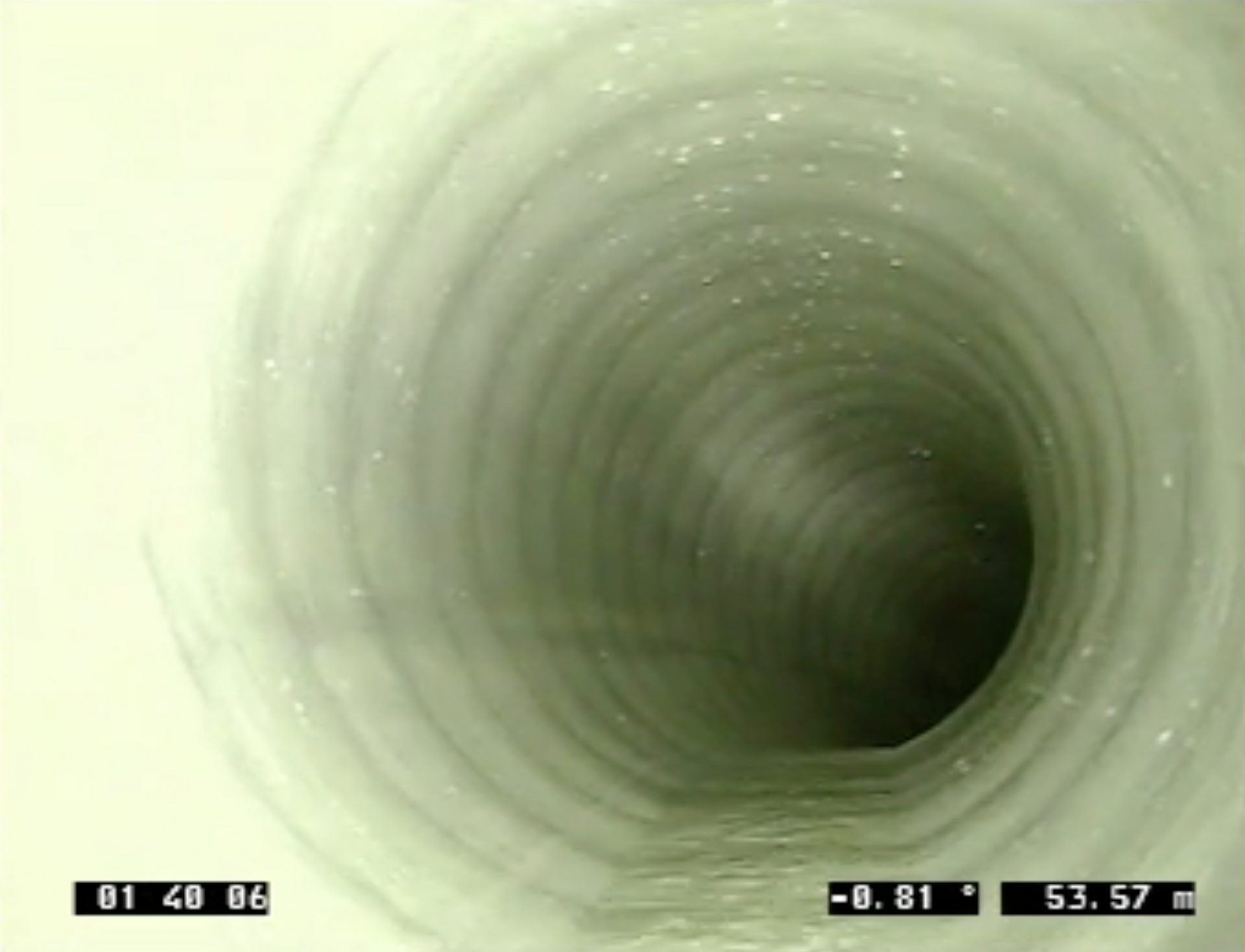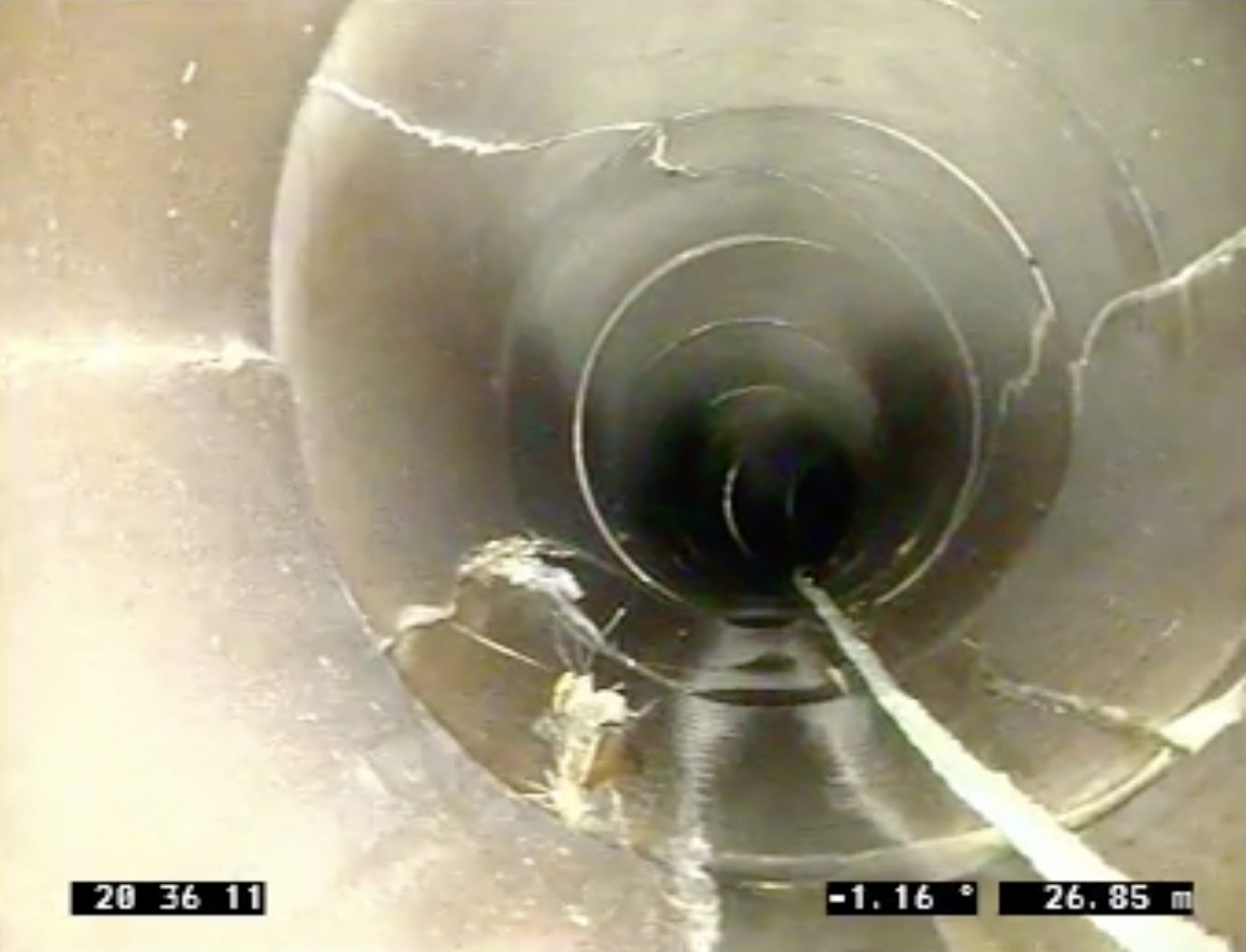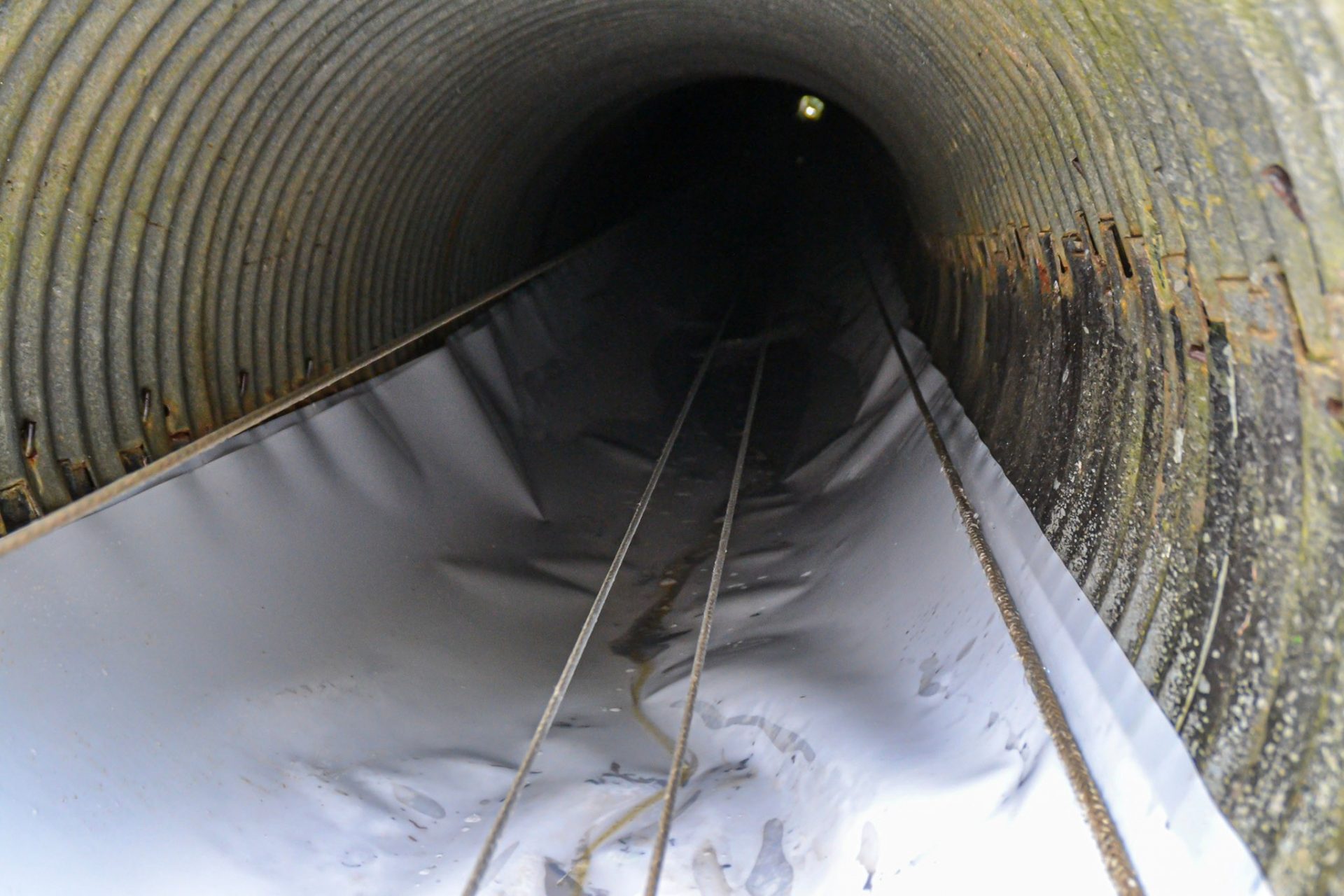
Failing infrastructure, particularly in storm and wastewater systems, hasn’t been far from New Zealand’s news headlines in recent years. Pipes are ageing, and they range from unstable brick constructions, dating back to the 1930’s, to rusting corrugated iron pipes which are sometimes, literally, crumbling away.
The increasing number of extreme weather events, along with population increase from rapidly growing developments, is putting extra pressure on these systems. The cost for remediation and repairs falls on councils and, ultimately, has a flow on effect to ratepayers and local businesses.
Understanding that technological advances are key to efficiency in infrastructure maintenance, BurrowTech are proud to bring revolutionary European innovations to the AUS/NZ markets.
Minimising disruption
A major bugbear for residents and retailers who are close to infrastructure works, is the closures of roads and footpaths, along with the noise caused by conventional trenching and over pumping. Not only does it create nuisance, it also blocks off customer foot traffic and parking, which in turn reduces turnover for businesses in the affected area.
Using UV lining is simple yet effective, a game changer in trenchless technology.
Giving new life to old pipes
Brandenburger pipe liners from BurrowTech provide fast, cost effective, trenchless pipeline rehabilitation. The patented technology has been used to produce more than 7,000,000 m of structural liners over the past 20 years.
Each liner is cured in-situ using UV light technology, essentially forming a new pipe within the old pipe, giving up to 100 years more functional life.
An efficient solution
When the requirement of open trenches and large site crews are eliminated, work is completed faster saving time and project resources.
A prime example is the intersection of Great South Road and Broadway in Newmarket, Auckland. It’s one of the highest traffic areas in a bustling City hence work had to be tackled at night, efficiently, and with the least disruption possible.
The project took just 3-4 hours, with rotating cutters used the following day for access to laterals.